Parent's corner
Understand correctly to help your child learn to think
Don't follow trends, don't force yourself to become a "prodigy". Karotto shares how to use programming, chess and math as playgrounds for children to practice thinking every day.
New topic
Chess for children: from A to Z
Why should you learn, what age should your child start, how to play each piece, the rules of checkmate and castling, self-study at home and practice every day — written for parents who have never played chess.
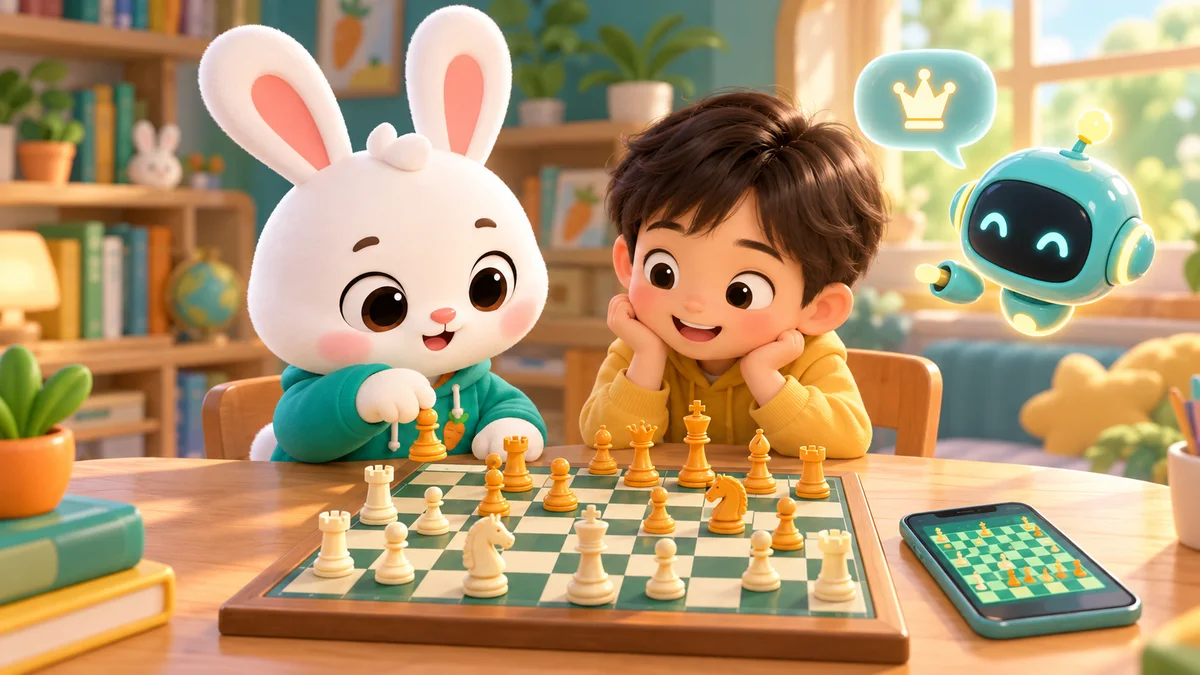
Chess for children: an A to Z guide for fathers mother
From the time the baby doesn't know which piece is Knight until he can find the move checkmate: what parents need to know to teach chess to their children, even if they don't yet...
Why should children learn chess?
Chess helps children concentrate, be patient and think before acting. But it's not magic. This is an honest look at the benefits, limitations and…
At what age should a child learn chess?
There is no age requirement, only time baby is ready. Suggested milestones for each age, how to check at home and how to teach your baby without making him bored.
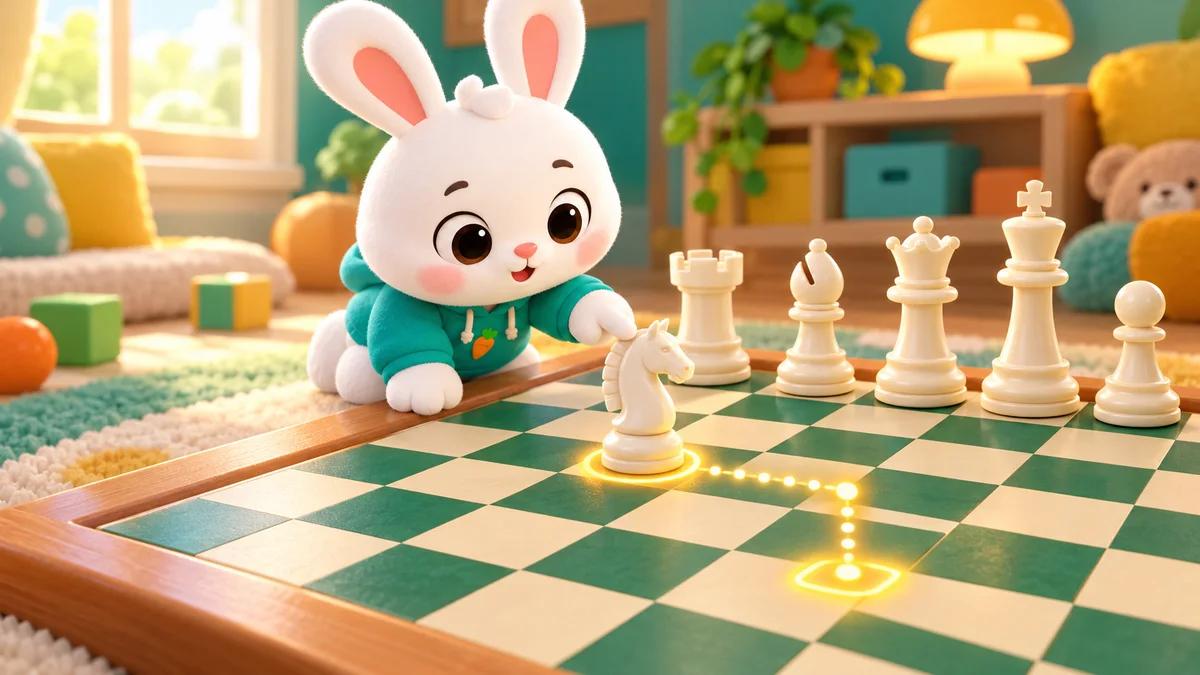
Instructions for playing chess for children: chess board, chess pieces and how to go
Parents do not need to know how to play chess to teach their children. This lesson goes step by step: placing the chess board correctly, arranging the pieces, how to move the 6 types of pieces, with short memory tips and…
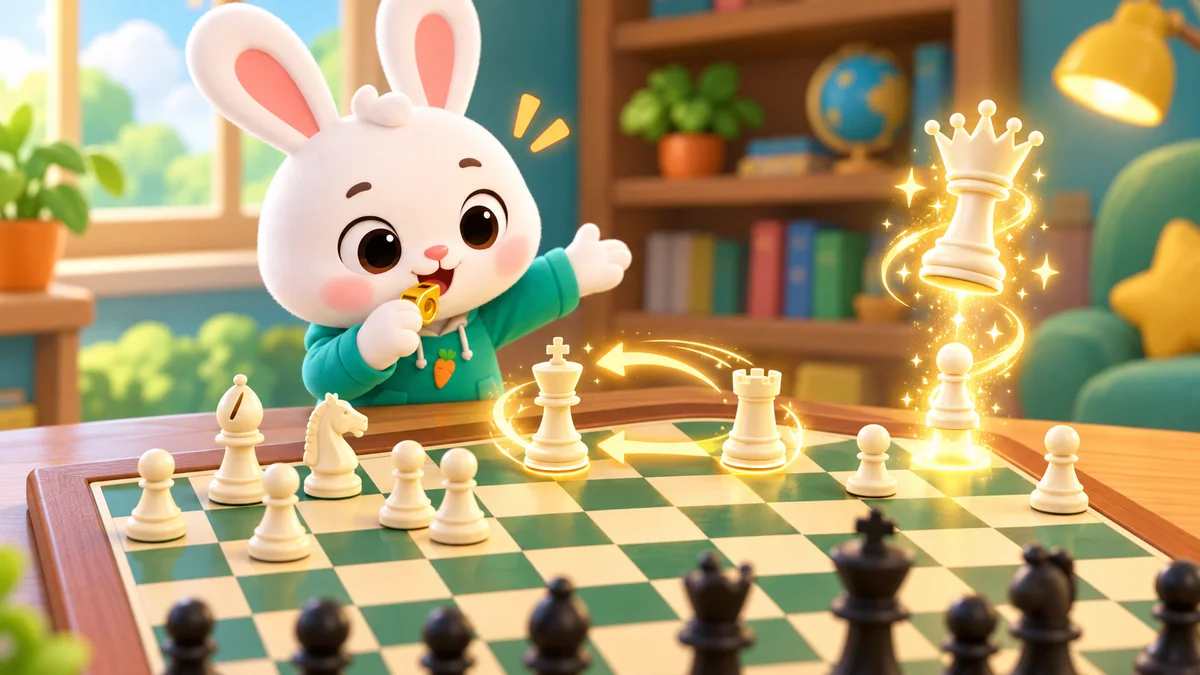
Chess rules for children: check, checkmate, castling, promotion
Once the child knows how to move each piece, the next question is always "so how to win?". This article explains mats, checkmate and special rules according to…
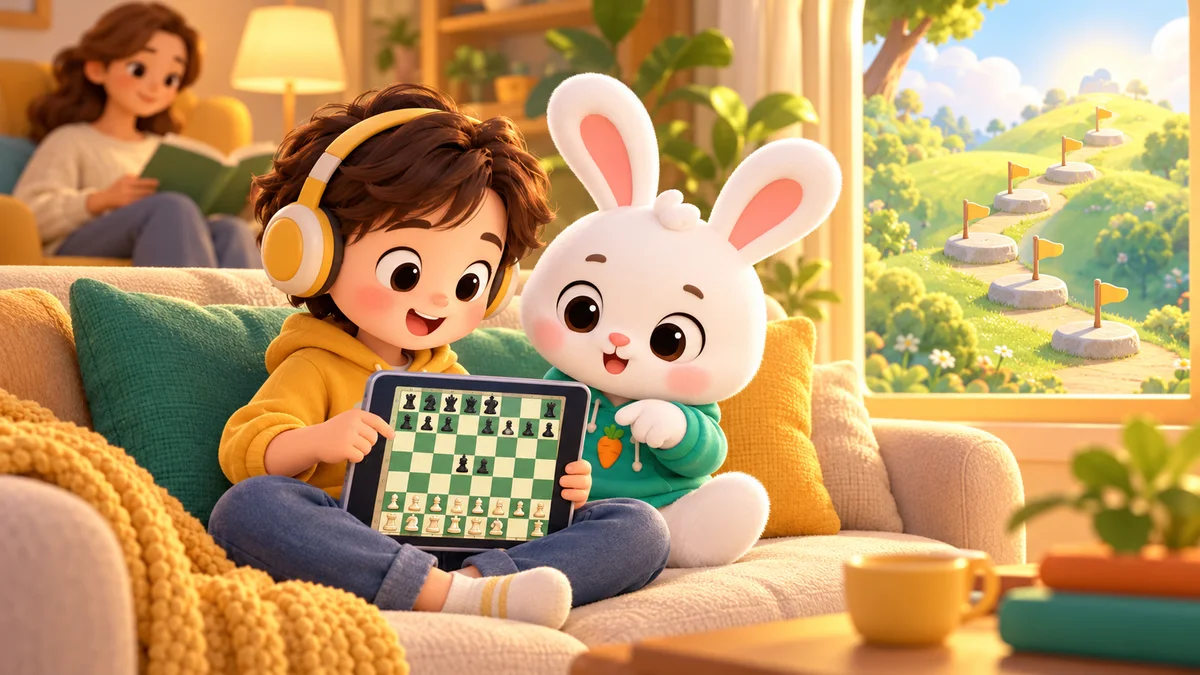
Children learn chess at home: 6-stage roadmap for parents
No need for classes or coaches from the start. With a clear route, 15 minutes a day and a few well-timed questions from parents, children can completely…
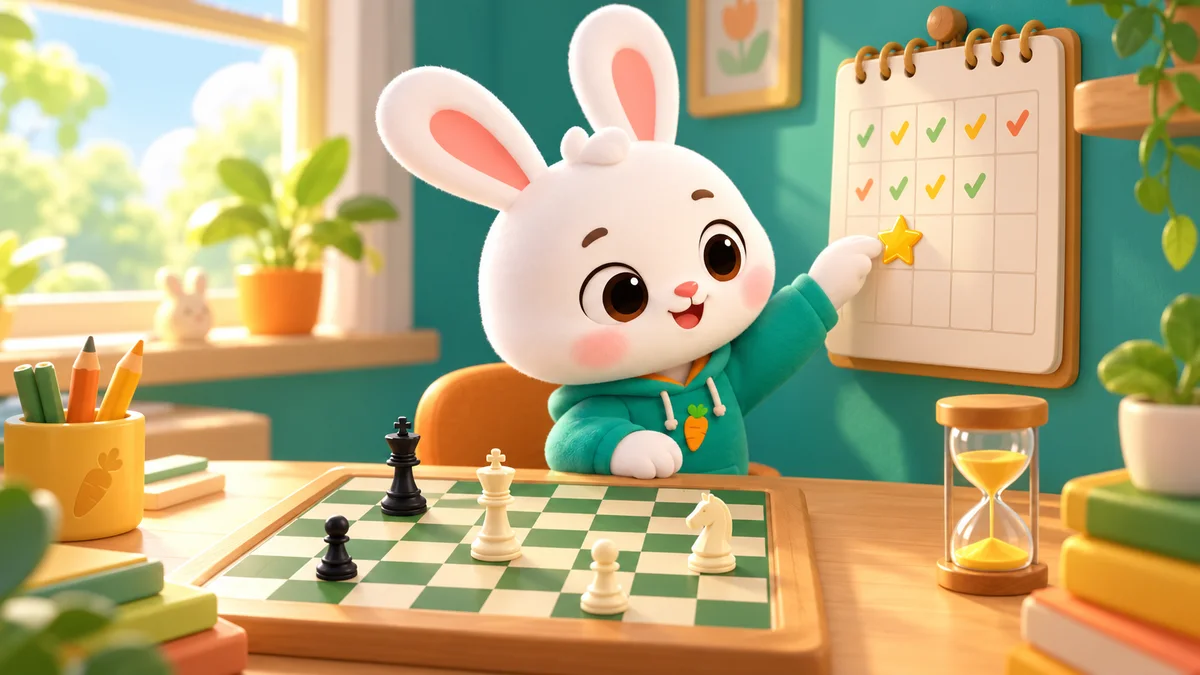
Chess exercises for children: 15-minute daily practice schedule (with answers)
Know the rules, how to Is your child's chess playing skills getting better and better? The answer is to practice little but regularly. Below is a sample weekly schedule, how to choose suitable cards and 3…
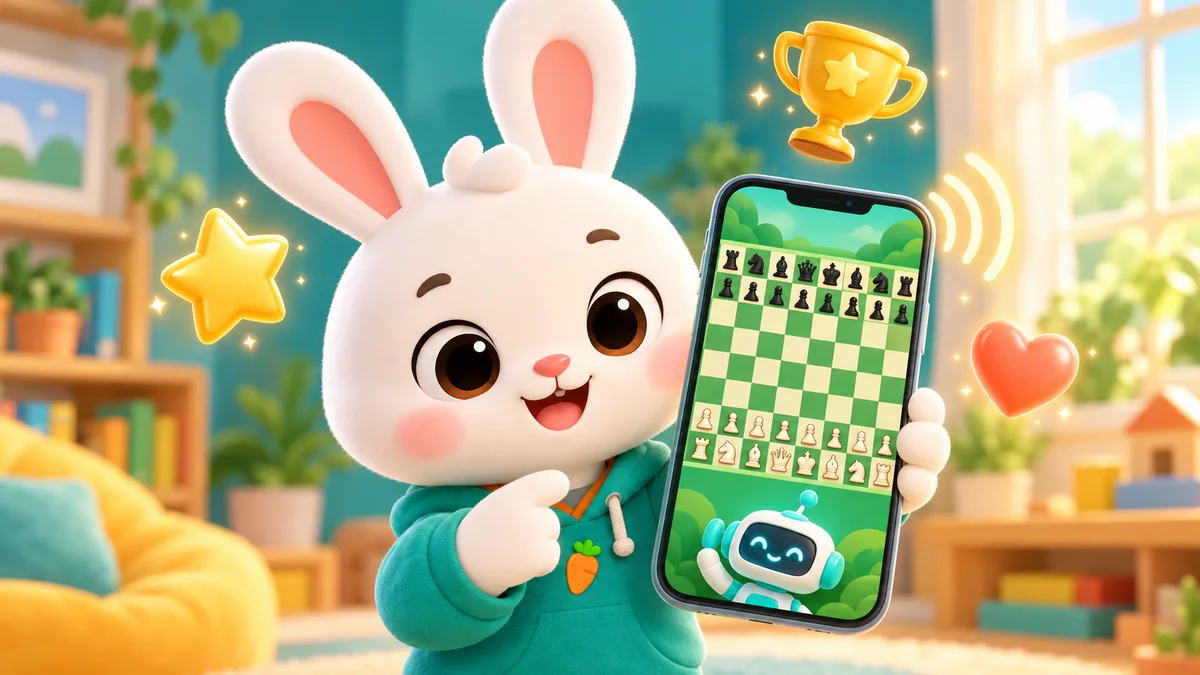
Chess learning app for children: comparison and how to choose
Type "chess learning app" and dozens of results will appear. Instead of choosing based on downloads, choose according to 5 important criteria for a child: route, reading voice,...
New topics
Thinking math and practice TIMO
How is mental math different from computational math, what 5–6 year olds learn at home, common types of problems and 3 practice problems TIMO style grades 1–3 with step-by-step solutions.
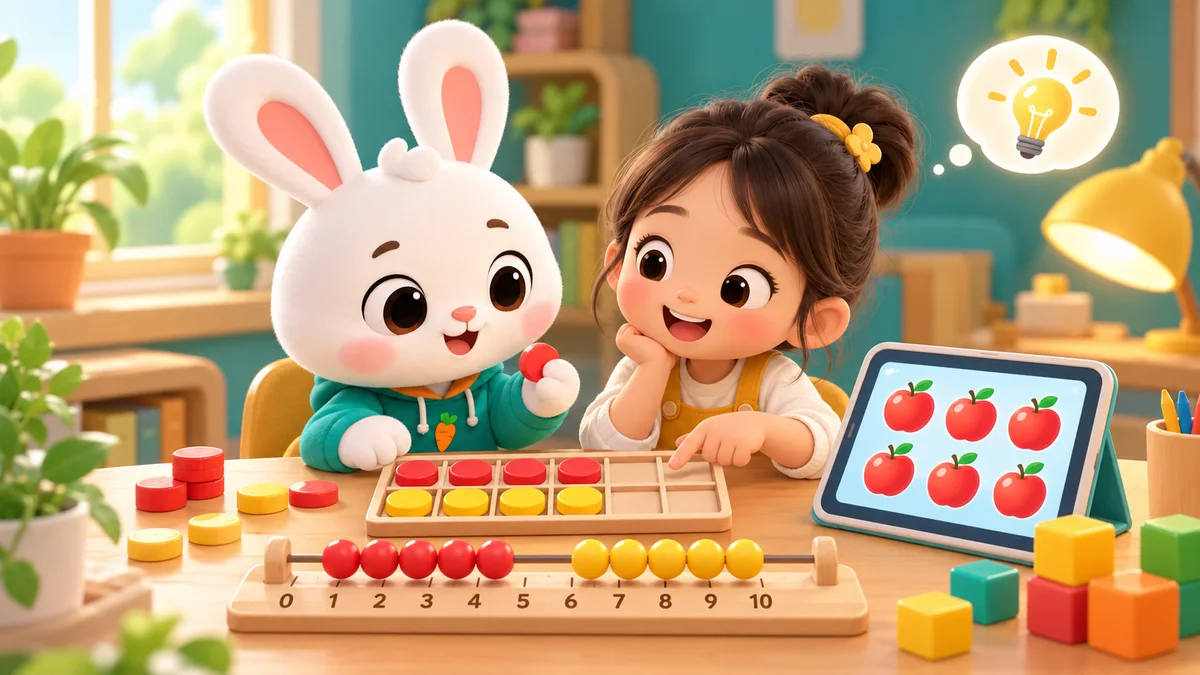
Mental math for children: a guide for parents
What is mental math, how is it different from math at school, what age should a child start and how to learn appropriately: everything parents need to know in one lesson.
What is TIMO? What parents need to know before letting their children take the exam
Full name, organizational unit, subjects, 5-area test structure, exam rounds and how to register. Includes a real perspective on the benefits and risks of having your child practice for exams.
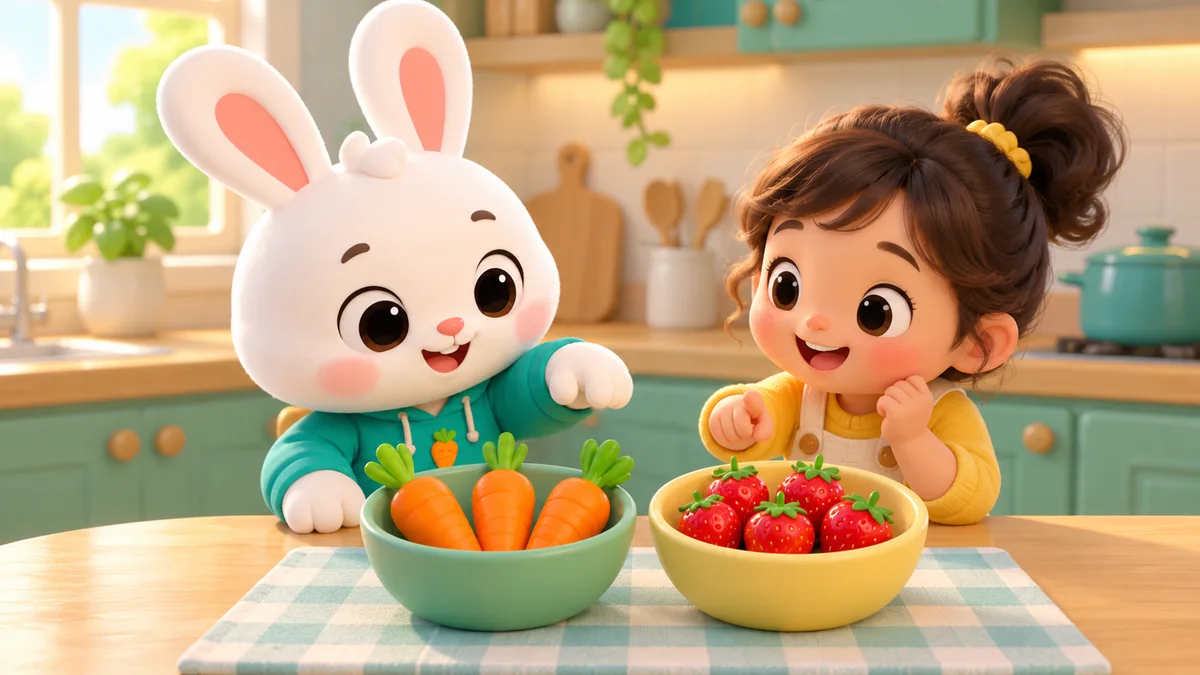
Mental mathematics for children 5–6 years old: what to teach, what to play at home home
Counting, comparing, classifying, finding patterns, shapes and positions: what 5–6 year olds need, along with 10 games to do at home with available materials.
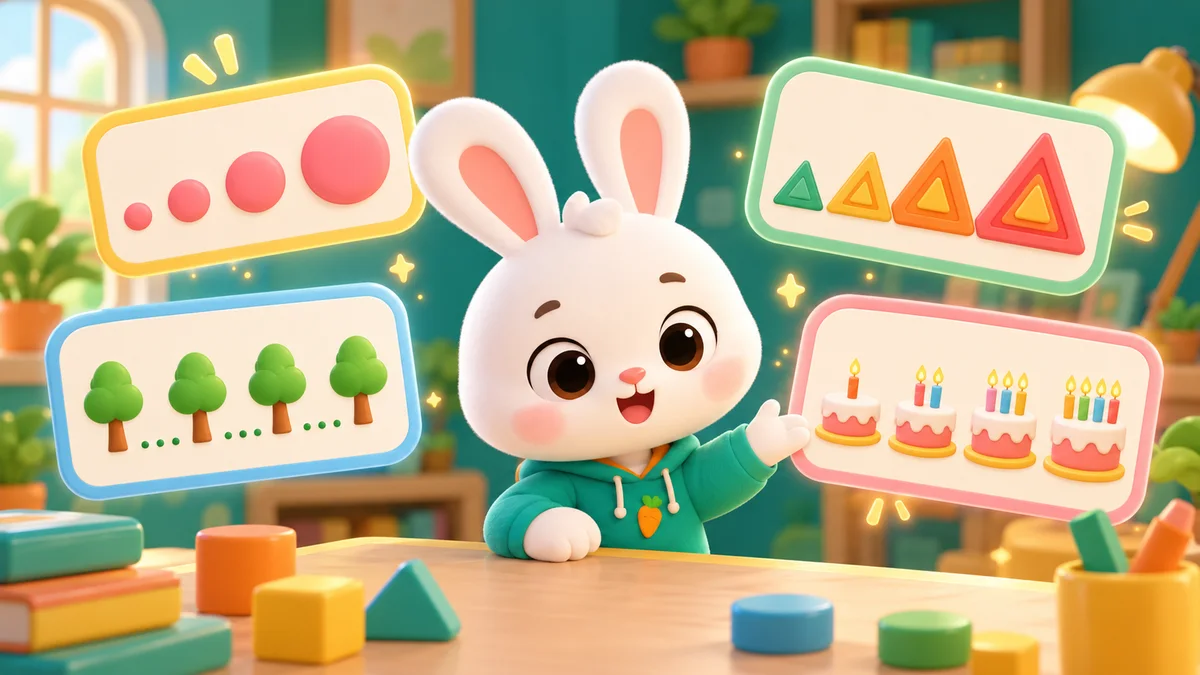
Common forms of mental math in elementary school
Rules, counting shapes, calculating quickly, age, lining up, chickens and dogs, planting trees, logic, numbers, combinations: recognition signs, ways of thinking and examples with solutions...
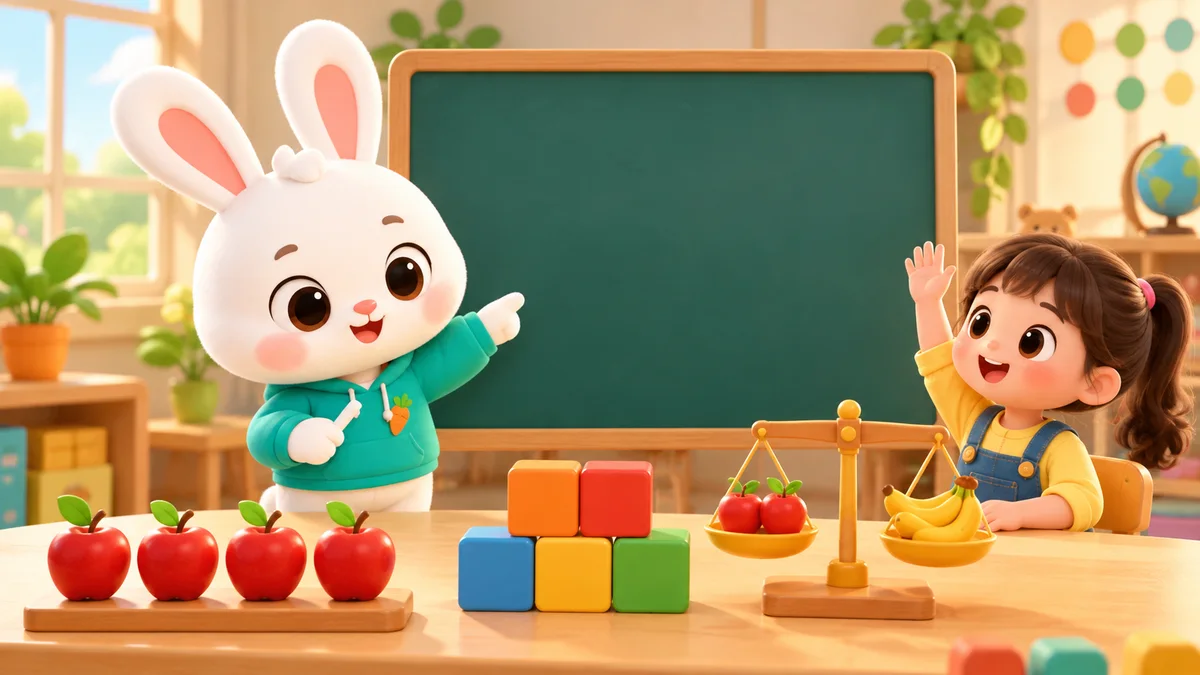
TIMO style practice questions for grade 1 (with solutions)
15 thinking math questions for grade 1 children, divided equally into 5 areas of logic, arithmetic, number theory, geometry and combinatorics. Each question has a step-by-step solution in easy-to-understand words,…
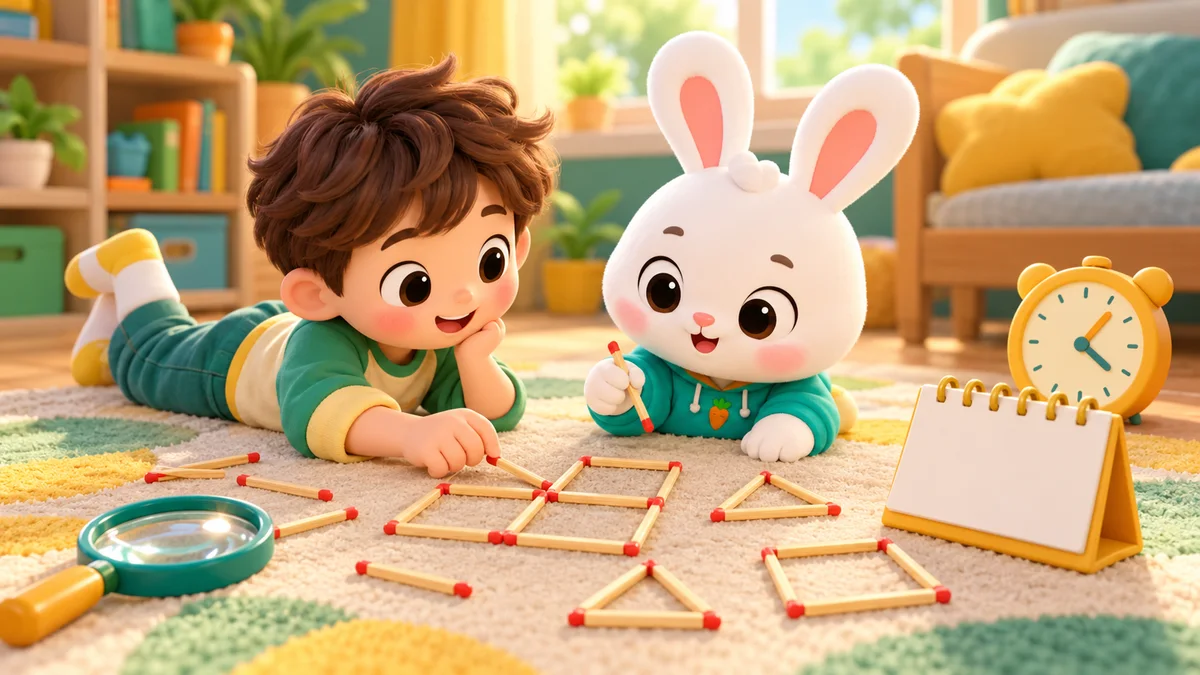
TIMO style practice questions for grade 2 (with solutions)
15 mental math questions for grade 2 children within 1000: sawing wood, lining up, telling the truth and lying, number sequences, counting shapes, cubes, forming numbers. Each sentence has a word...
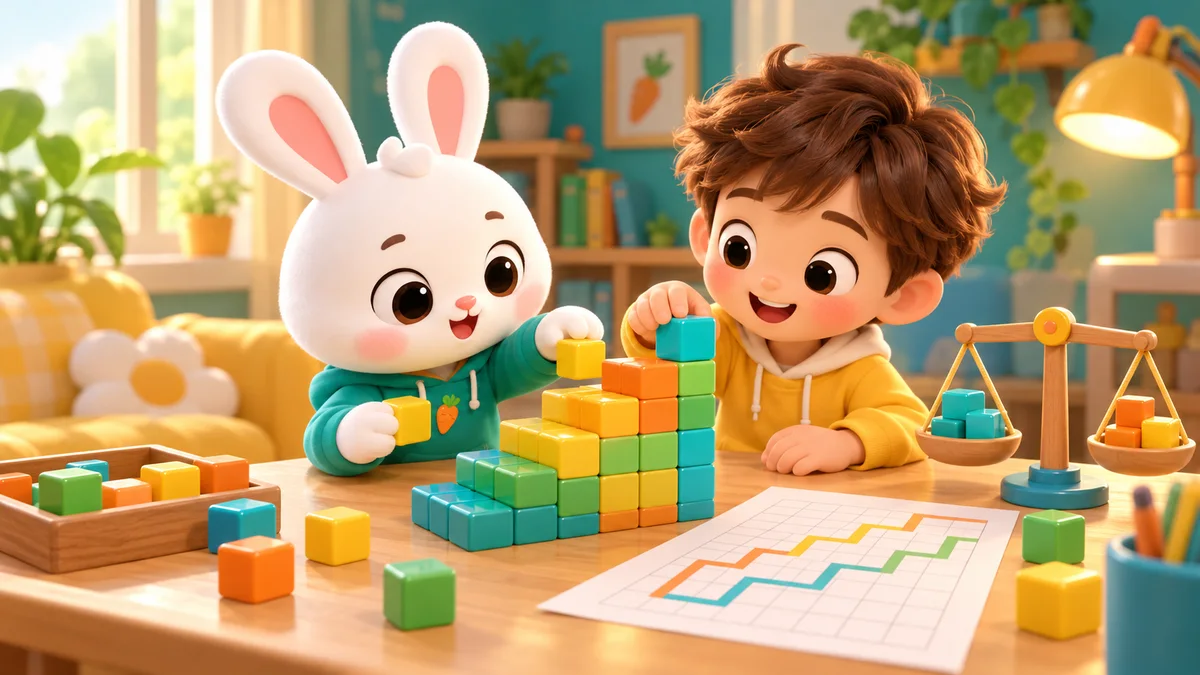
TIMO style practice test for grade 3 (with solution)
15 fourth math questions Ideas for 3rd graders: calculating days of the week, real people, chickens and rabbits, age calculations, balances, circumference of puzzles, counting paths on...
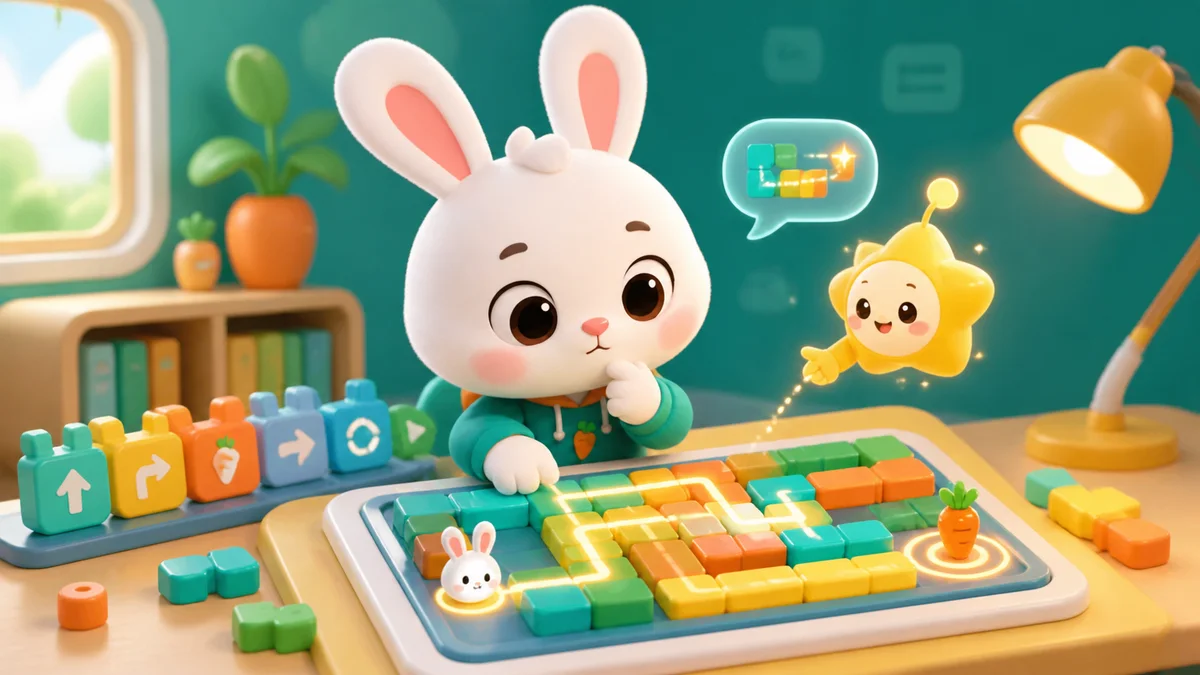
Why in the world of AI, children should still learn programming?
AI can write code. But the ability to ask questions, break down problems, check and improve solutions must still be trained from the child.
Read article →
Review of mental math learning methods: what should you choose for your child?
Comparing Singapore/CPA, Montessori, Kumon, abacus-finger and logic math: choose a way to help your child understand instead of mechanical learning.

Scratch learning guide for children: website, documents and roadmap
From website, official tutorial repository to roadmap 6 week and background step Karotto before Scratch.
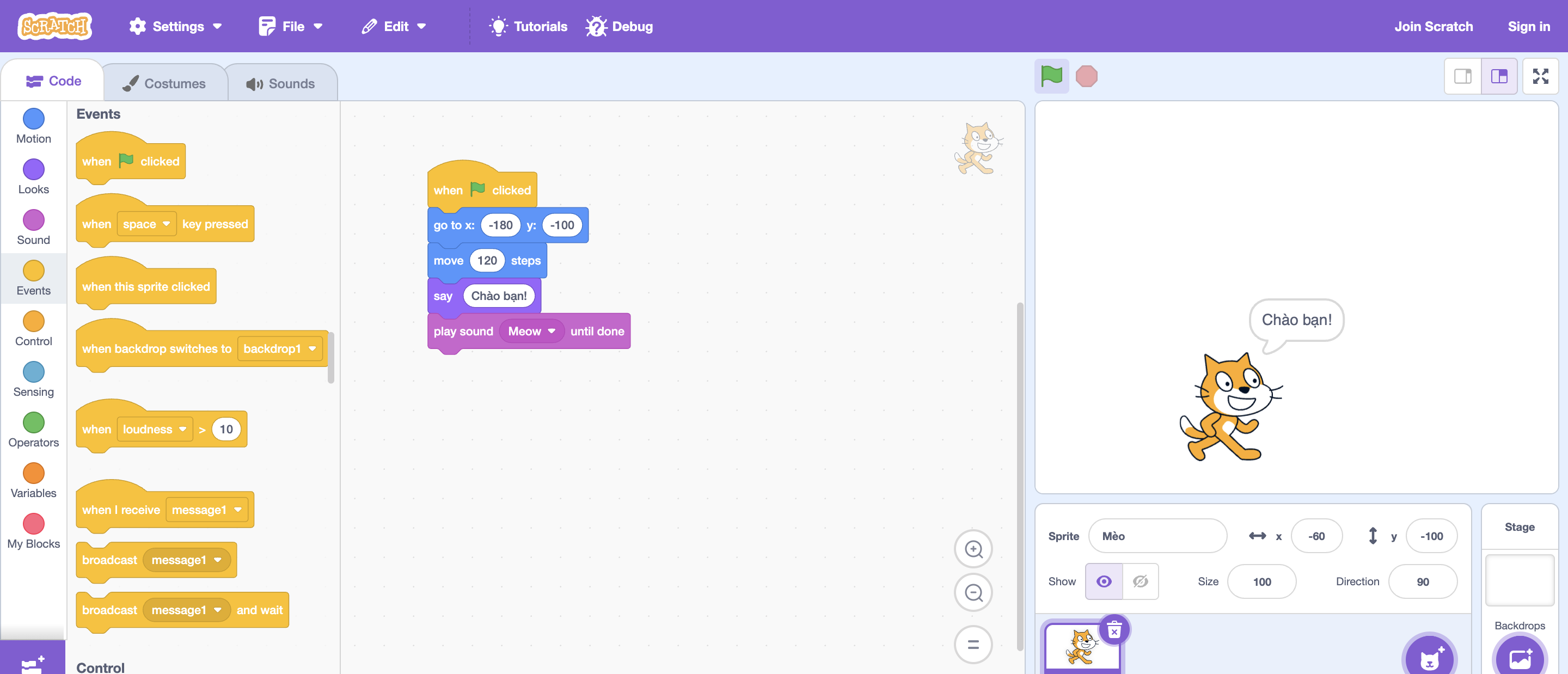
Sequence and events: which command runs first?
The first session does not require making a game. Children just need to see: when pressing the green flag, the computer executes the correct commands in the order they have been put together.
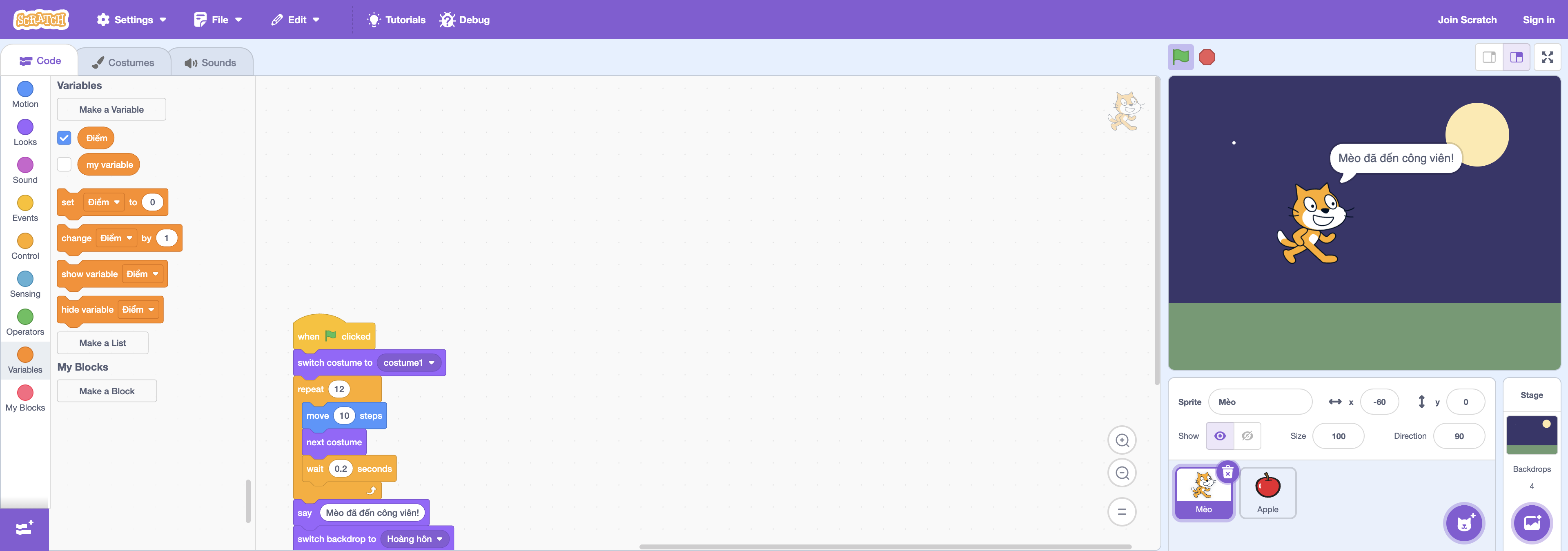
Animating: characters walking and telling stories
Children match movements, costumes and dialogue to make a character feel alive.
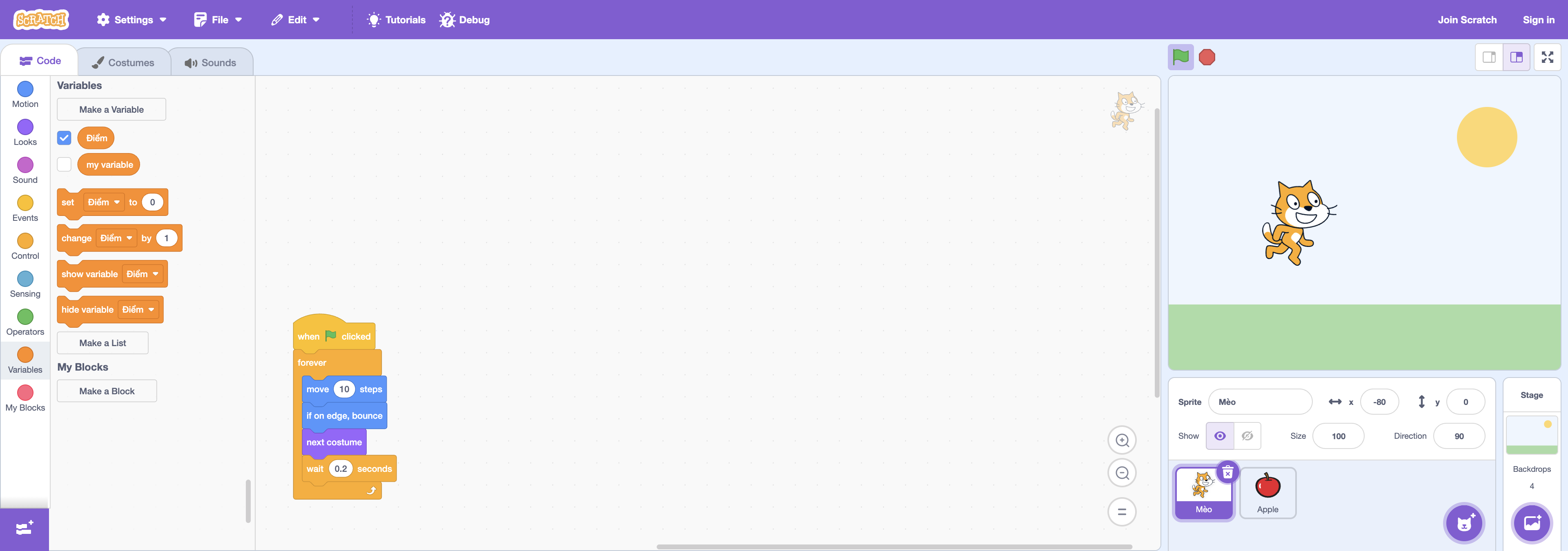
Loop: make fewer blocks, create more actions more active
This week your baby learns how to find a repeating pattern instead of pulling the same command forever.
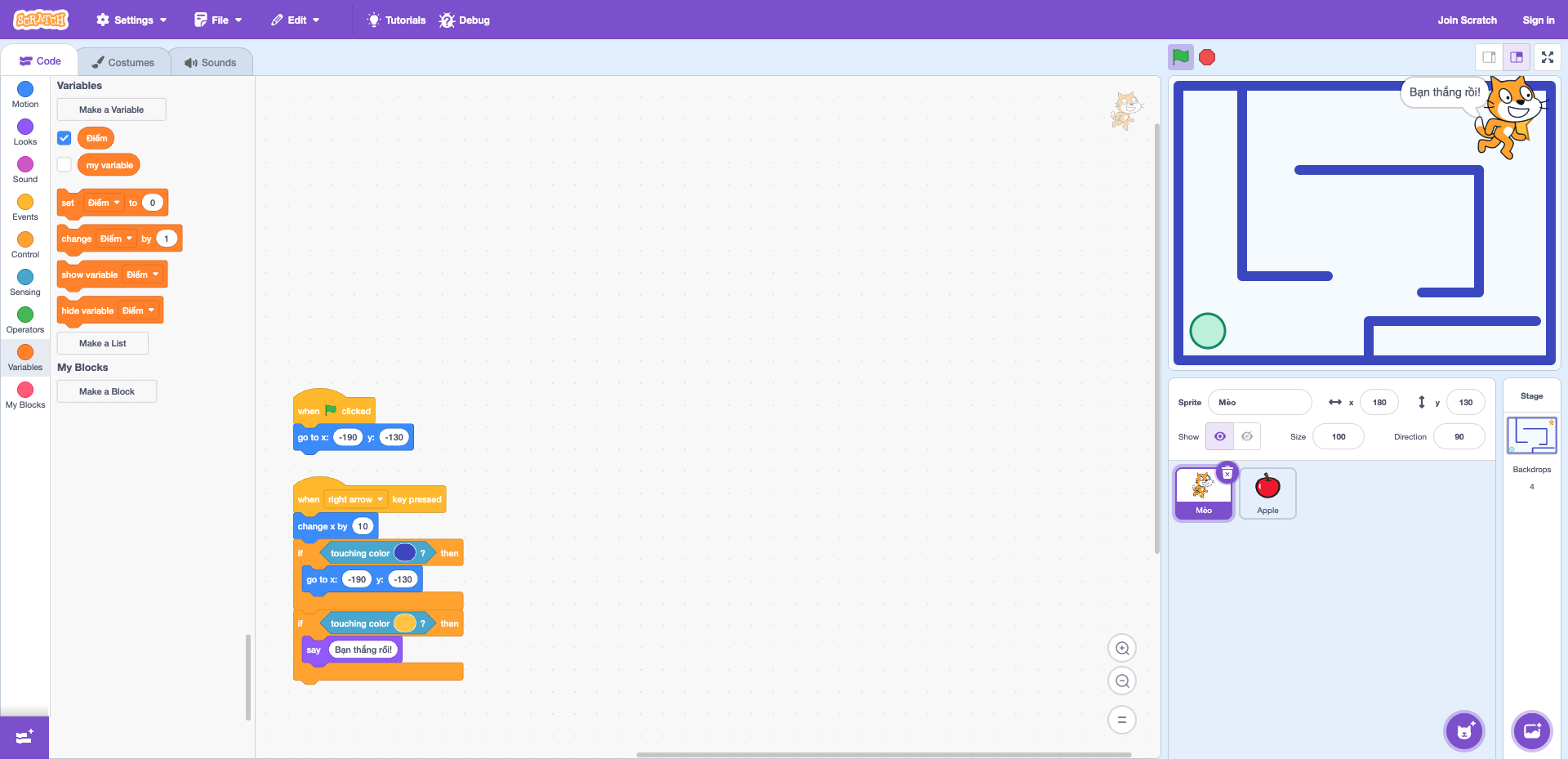
Controls and conditions: create rules for the maze maze
Kids turn animations into mini games where players can control characters and encounter “if… then…” rules.
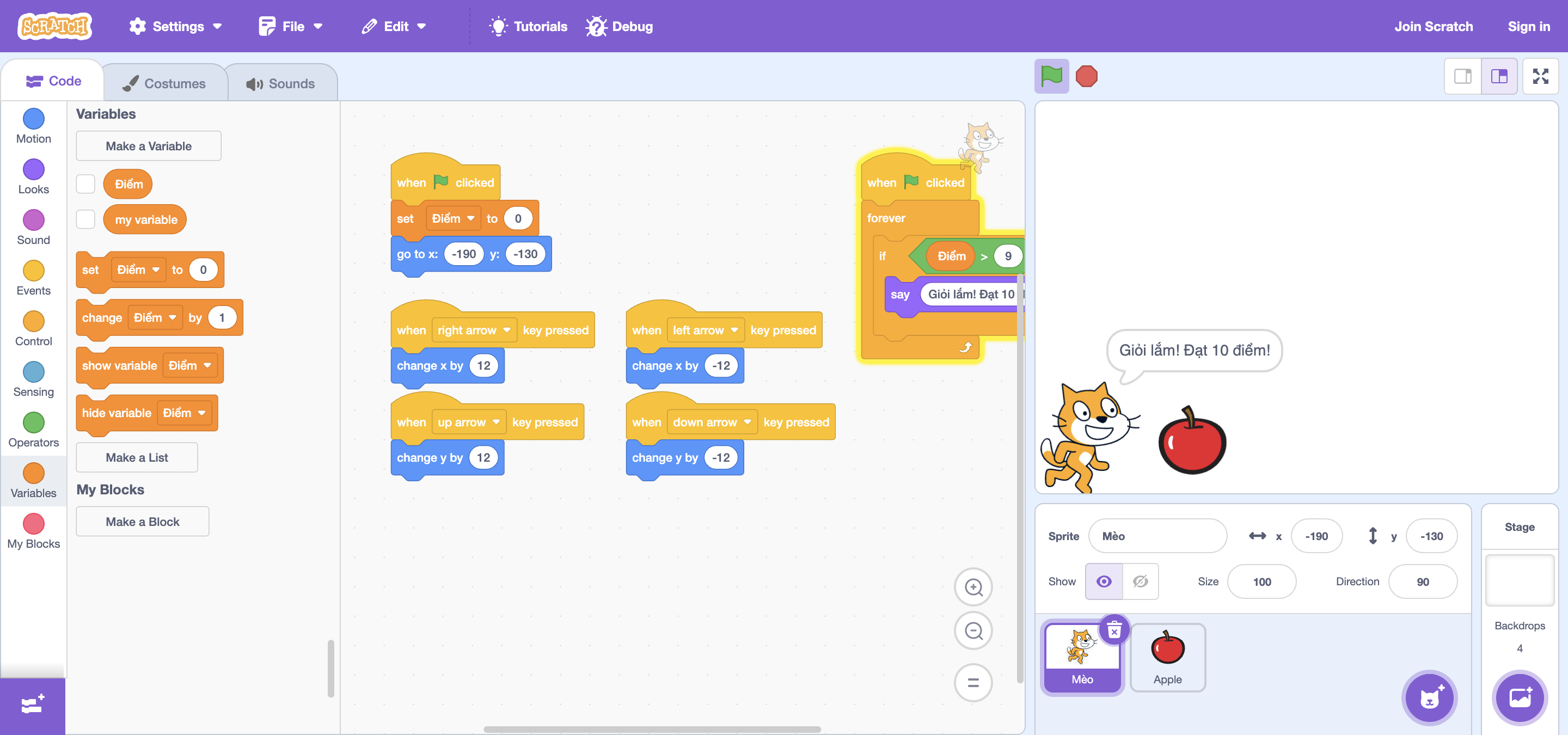
Variable and score: memory game
Children use a variable to let the computer remember the changing score while playing.
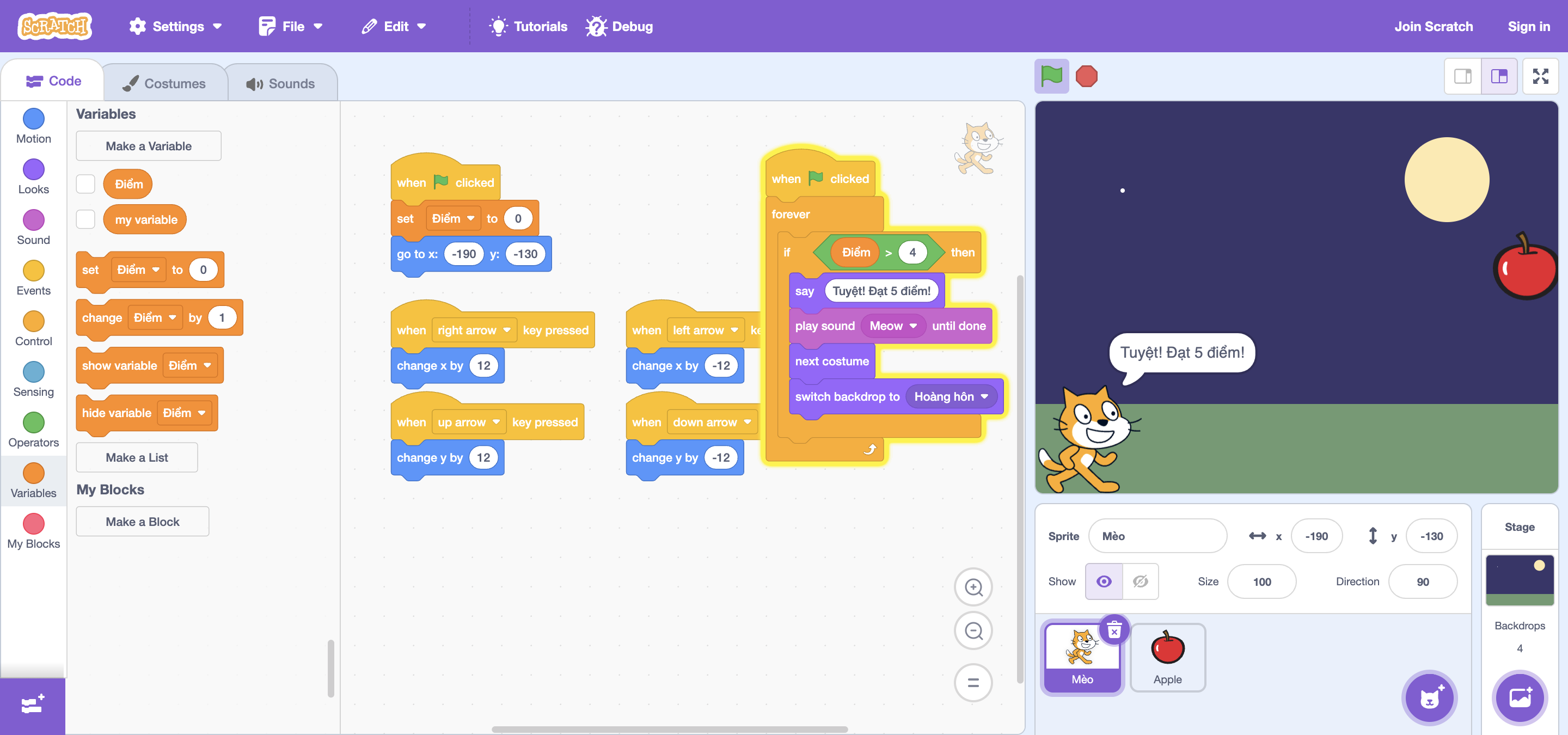
Projects and remixes: turning ideas into their own version
The last week is not for making a big project. Children choose a sample project, understand part of it and then change it purposefully.
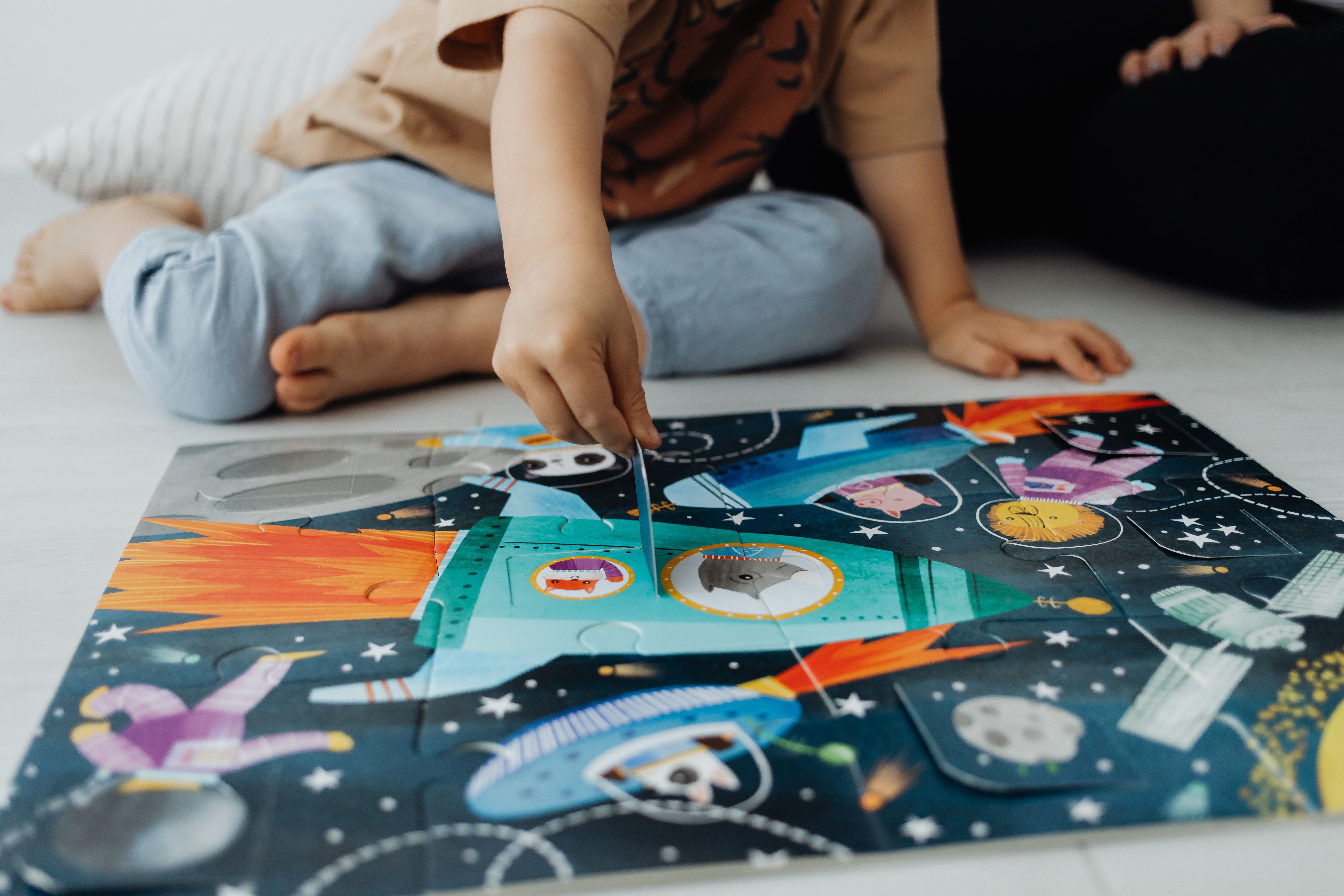
5 ways to help your child develop effective thinking
Balancing math on paper, goal-oriented programming, puzzle games, board games and life problems.
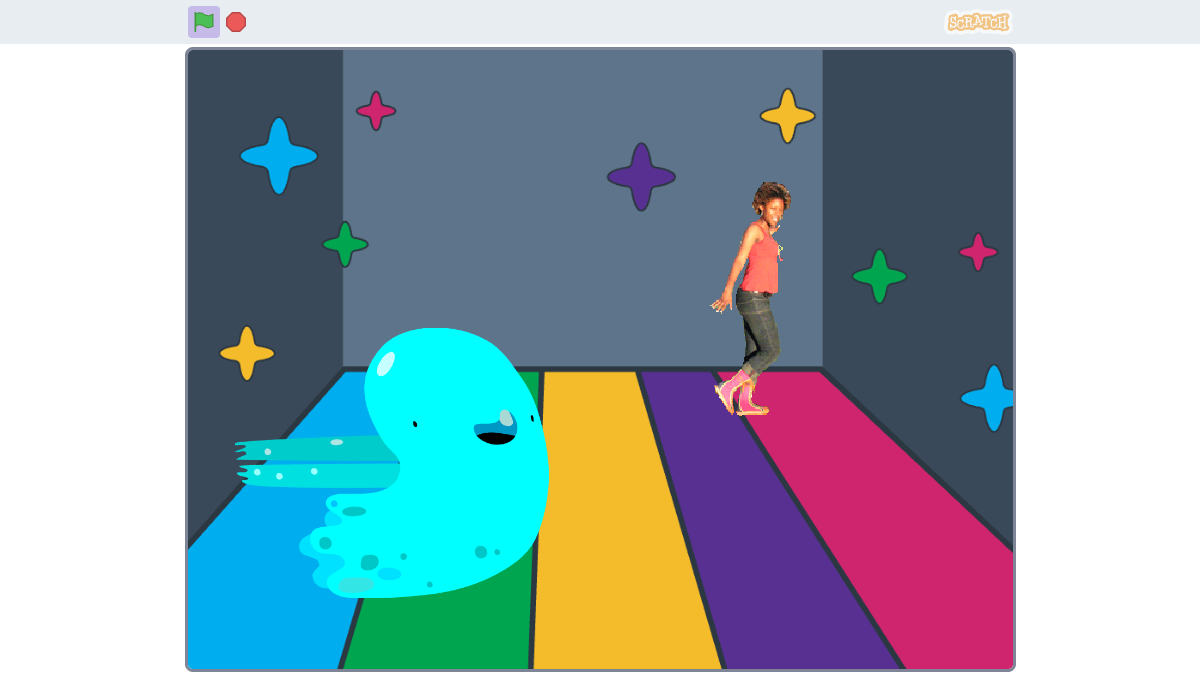
Top 5 programming apps for children worth trying
Suggestions for choosing an app according to your child's age, learning style and goals — there are Karotto, ScratchJr, codeSpark, Tynker and Kodable.
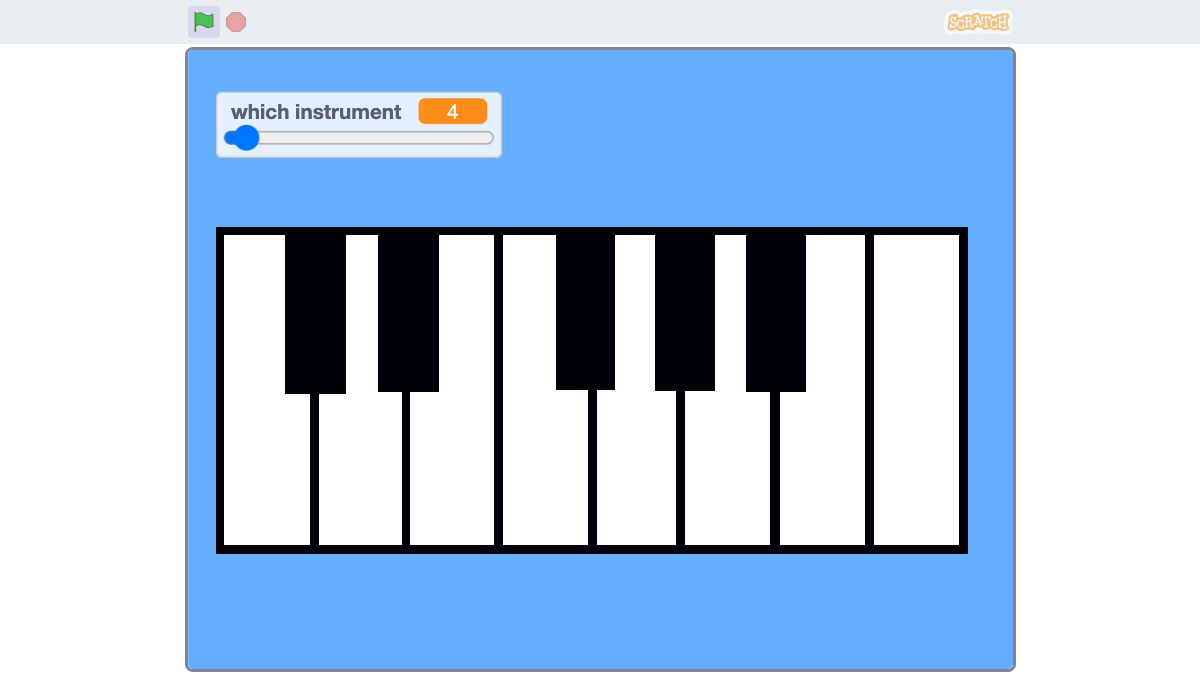
Scratch or Python: what should your child learn first?
Choose according to your child's ability to read, type, and thinking background, not just his age.
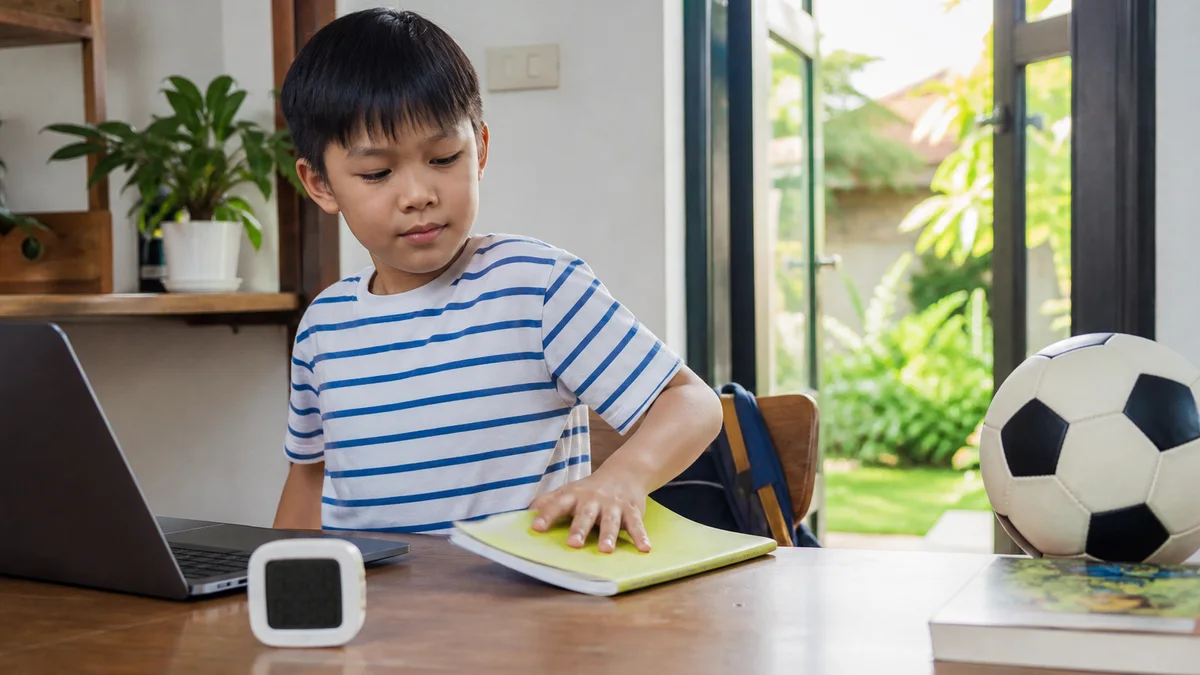
How much programming should your child learn each day? long?
Practice milestones according to age and how to recognize when a lesson is taking too long.

If you don't know how to program, you can still learn together con
How to ask the right questions, suggest each step and avoid correcting your child when they make mistakes.
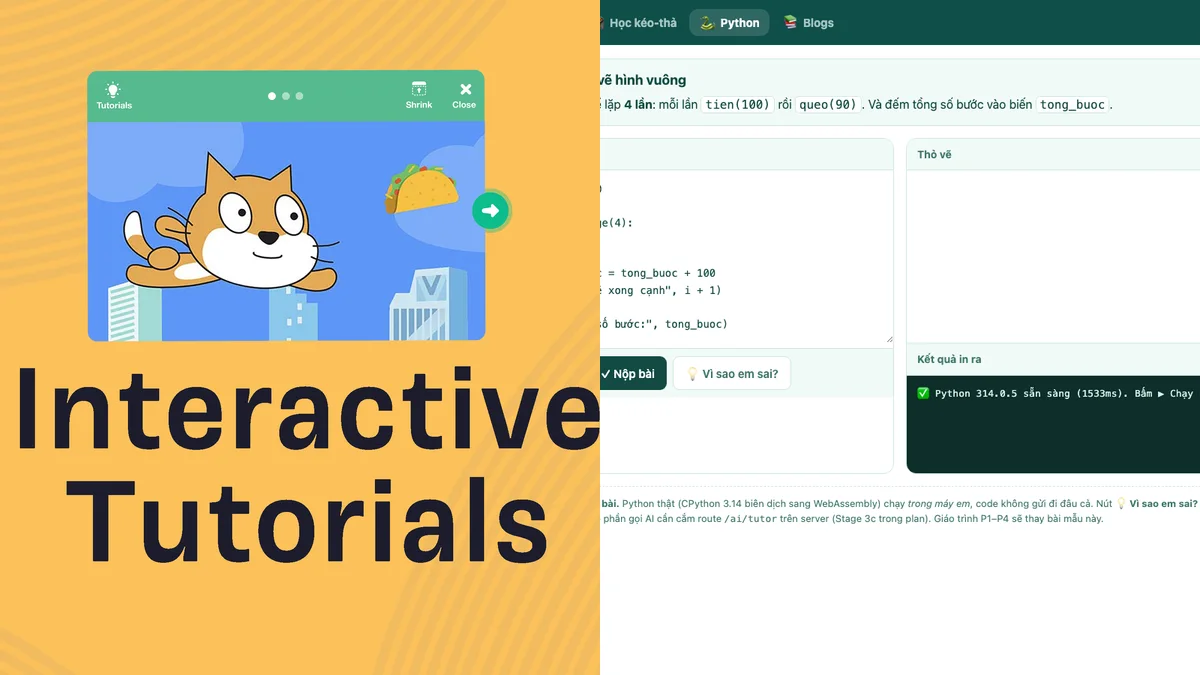
Where should children start learning programming?
From a drag-and-drop game with instructions, understand the concept and then move on to Python.
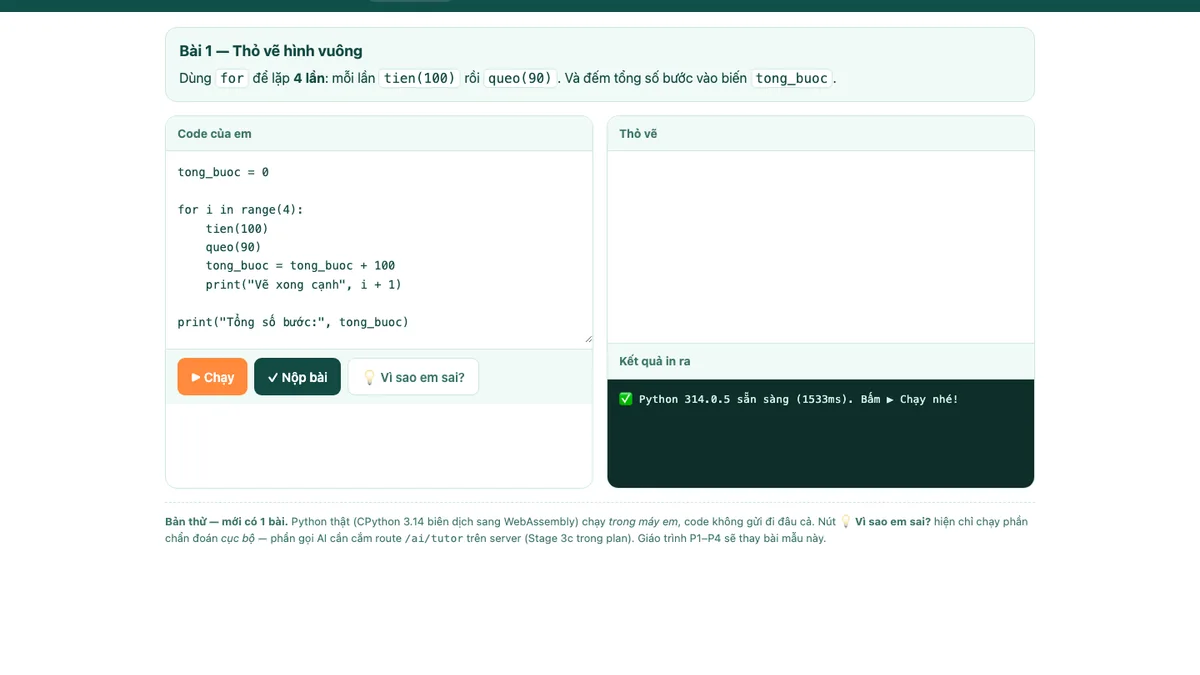
Which grade should children learn Python?
Don't just look at the class; Observe your child's ability to read, type and self-correct errors.
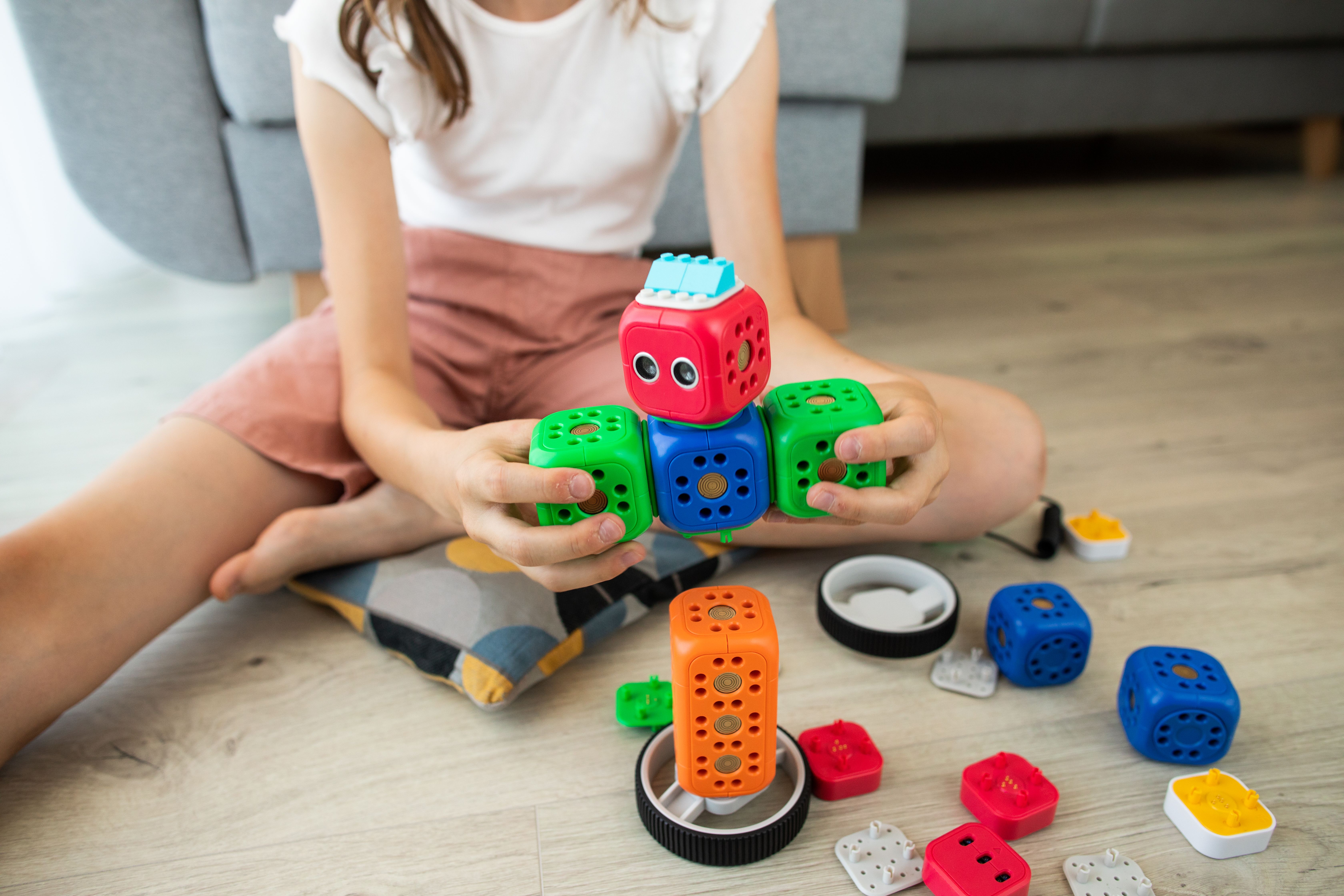
Should children learn to program early?
Yes, if "learning early" means playing right age and does not turn into achievement pressure.

Should grades 4–5 start with Python ?
This might be a good time, as long as Python continues the visual experience instead of replacing it.
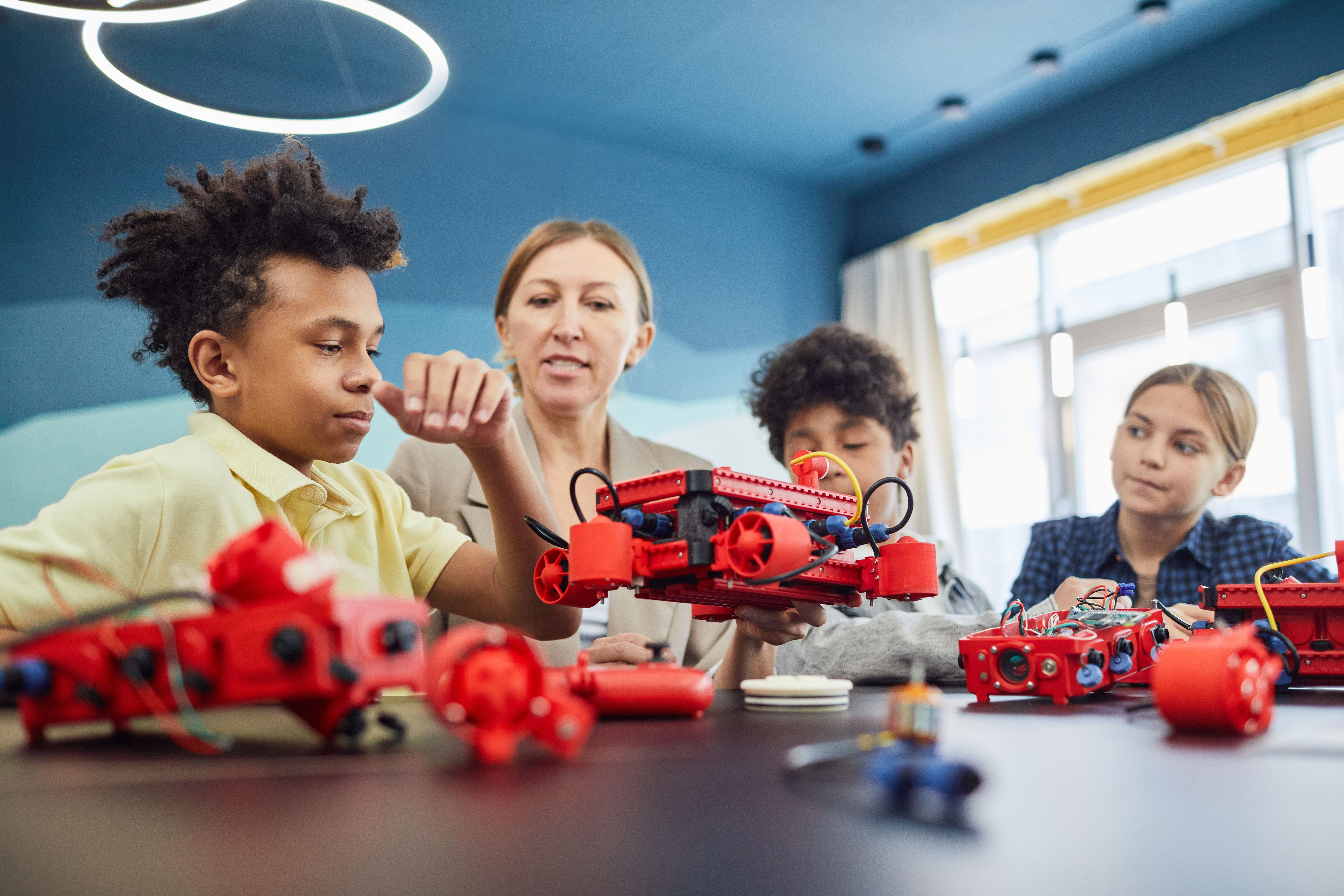
How does programming help children develop thinking?
Six abilities children can bring from the screen to math problems and daily life.